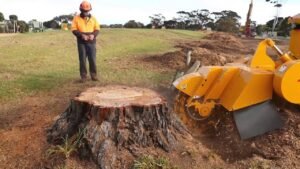

When a tree begins showing signs of damage or decline, many homeowners immediately assume it needs to be removed. However, that’s not always the case. In many situations, a tree can be restored with proper care and maintenance. Knowing the difference between a tree that can be saved and one that has become a safety hazard is essential for protecting your property while preserving valuable trees whenever possible.
Start with a Professional Tree Assessment
The first step is determining the tree’s overall health. Tree care professionals inspect the trunk, branches, roots, canopy, and surrounding soil to identify structural weaknesses, disease, pest infestations, or storm damage.
A thorough assessment helps determine whether treatment is possible or if removal is the safest option.
When a Tree Can Usually Be Saved
Many tree problems can be corrected if they are identified early. A tree may be a good candidate for preservation if:
- The damage is limited to a few branches.
- The tree has a healthy trunk and root system.
- Disease has not spread extensively.
- The tree is structurally stable.
- Regular pruning can restore healthy growth.
Services such as pruning, cabling, fertilization, or disease treatment can often extend the life of a healthy tree.
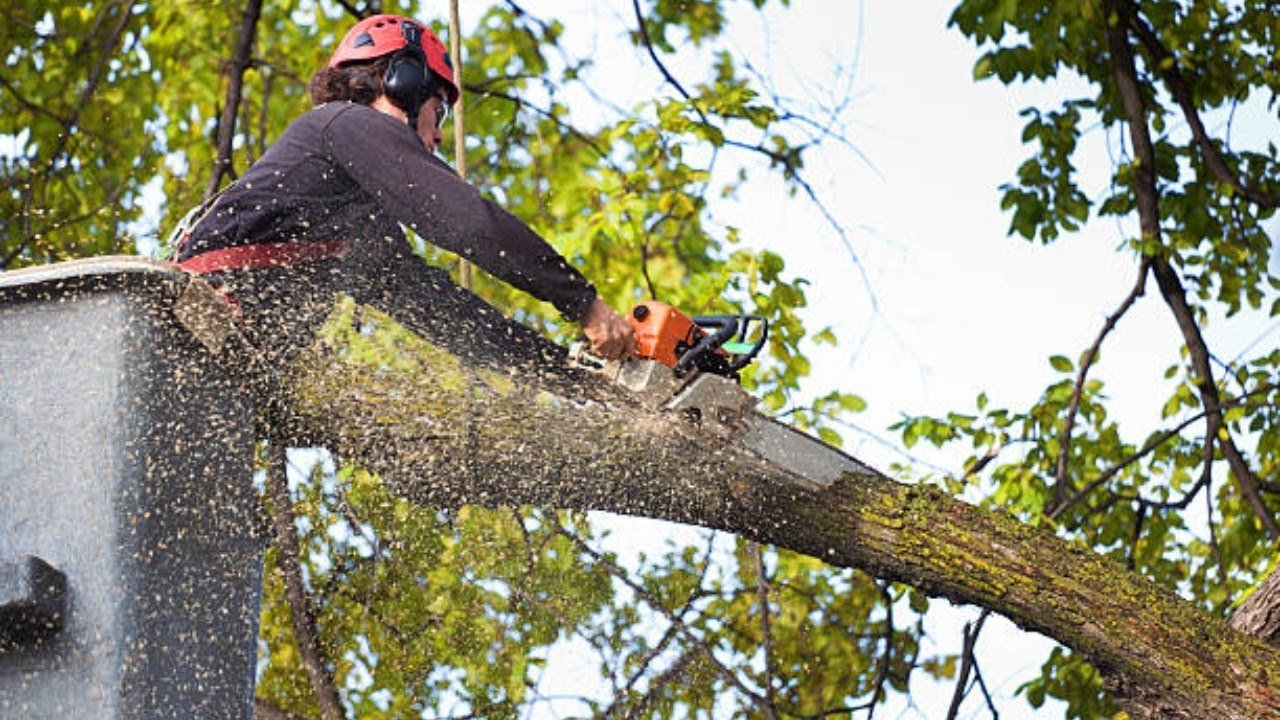
When Tree Removal Is the Better Choice
Sometimes a tree becomes too dangerous or unhealthy to save. Removal is often recommended when:
- The tree is dead.
- The trunk has major cracks or large hollow sections.
- More than half of the tree is severely damaged.
- The roots have become unstable.
- The tree is leaning significantly.
- It poses a risk to nearby homes, vehicles, or power lines.
Removing a hazardous tree before it falls helps prevent injuries and expensive property damage.
Consider the Tree’s Location
Even a healthy tree may require removal if it’s growing in the wrong place. Trees located too close to buildings, sidewalks, driveways, or underground utilities can create ongoing maintenance issues as they mature.
Professionals consider:
- Distance from structures
- Root growth patterns
- Overhead utility lines
- Available growing space
- Future expansion of the canopy
These factors help determine whether keeping the tree is practical in the long term.
Storm Damage Doesn’t Always Mean Removal
After severe weather, many trees appear badly damaged but can often recover with proper care. Broken branches, split limbs, or canopy loss do not necessarily mean the entire tree should be removed.
However, if the trunk has split completely or the root system has failed, removal is usually the safest solution.
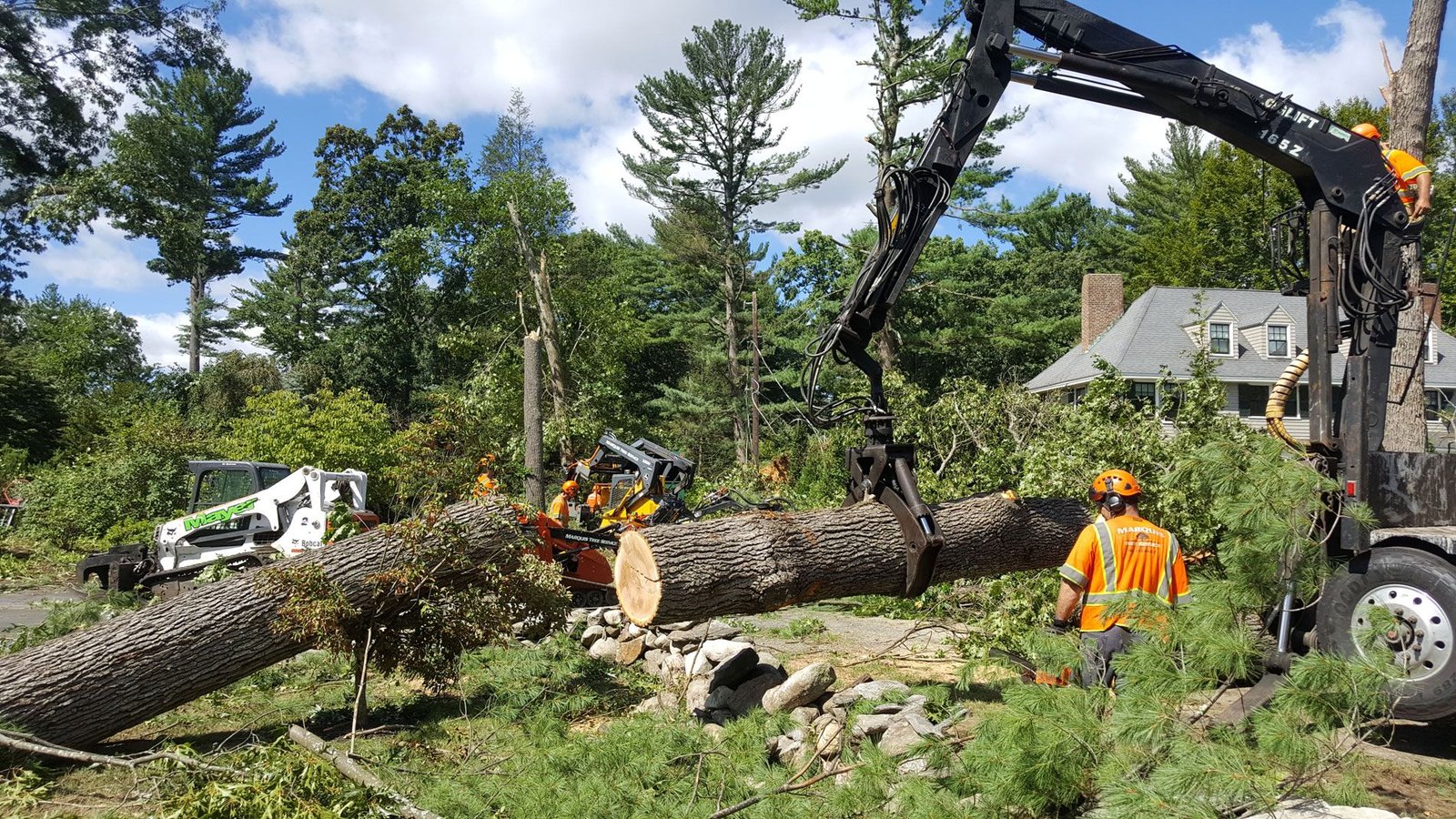
The Benefits of Saving a Healthy Tree
Preserving a healthy tree offers several long-term benefits:
- Provides natural shade
- Improves air quality
- Increases property value
- Reduces energy costs
- Supports local wildlife
- Enhances curb appeal
Whenever possible, professional tree care focuses on preserving healthy trees instead of removing them unnecessarily.
Why Professional Guidance Matters
Deciding whether to remove or save a tree requires experience and careful evaluation. Tree care specialists understand how different diseases, structural defects, and environmental conditions affect a tree’s long-term health.
They can recommend the most appropriate solution while ensuring the safety of your property and surrounding landscape.
Conclusion
Not every damaged tree needs to be removed, but not every tree can be saved either. The right decision depends on the tree’s health, structural condition, location, and potential safety risks. A professional inspection provides the information needed to choose the safest and most cost-effective option. By addressing tree problems early, homeowners can preserve healthy trees, prevent emergencies, and maintain a safe, beautiful landscape for years to come.